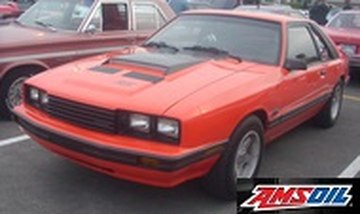
Lubrication Maintenance for the 1982 Mercury CAPRI 5.0L
Maintaining a vehicle with a large-displacement engine requires consistent attention to lubrication systems and fluid integrity. For the 1982 Mercury CAPRI equipped with the 5.0L engine, regular service is a fundamental aspect of long-term ownership. Because mechanical components rely on clean, effective lubricants to operate efficiently, understanding how to monitor and manage these fluids is essential for any owner.
Monitoring Fluid Integrity and Potential Leaks
One of the most practical aspects of routine maintenance involves regular visual inspections of the engine bay. For an older vehicle, observing the condition of various seals and gaskets can provide early indications of where attention might be needed. Rather than assuming a component is failing, owners should look for evidence of seepage or active leaks around sealing surfaces.
When performing these checks, it is helpful to look for:
- Signs of fluid residue on the underside of various engine components.
- Drips or staining on the ground beneath where the vehicle is parked.
- The presence of oily buildup on external surfaces that should remain clean.
- Changes in the color or consistency of fluids when they are checked via dipsticks or reservoirs.
If any unusual fluid patterns are observed, it warrants a closer investigation to determine the source. Identifying these signs early can help prevent more significant issues and allows for planned maintenance rather than reactive repairs.
Managing Engine Oil Condition
The engine oil plays a vital role in managing heat and reducing friction within the 5.0L powerplant. Over time, even with regular changes, oil can undergo changes in its chemical properties due to thermal stress and exposure to various operating conditions. Maintaining the cleanliness of this lubricant is a primary goal of routine service.
If you notice that the oil appears excessively dark or has a gritty texture, it may indicate that the current lubricant is heavily contaminated or has reached the end of its effective service life. Furthermore, monitoring for any unusual mechanical noises during startup or operation can sometimes be associated with changes in lubrication quality. While such sounds can have many different causes, they should never be ignored and should be investigated by a professional to ensure the engine is receiving adequate protection.
Some high-mileage oil formulations contain additives intended for use in aging engines. These specialized lubricants may include seal-conditioning additives designed to help maintain the integrity of various gaskets and seals as the vehicle ages. While these are not a substitute for addressing active leaks, they can be a consideration during routine oil changes for vehicles with higher operational history.
Practical Inspection of Engine Accessories
Beyond fluid management, a comprehensive maintenance approach includes inspecting the various components that support engine operation. If equipped, accessible drive belts should be examined periodically for signs of wear. Look for evidence of cracking, glazing, or fraying along the edges and surfaces of the belts. A belt that shows significant deterioration may eventually fail, which could impact the operation of several engine-driven accessories.
Similarly, if the vehicle is equipped with various hoses, these should be checked for signs of softening, hardening, or bulging. Maintaining the integrity of these components is a key part of preventing unexpected fluid loss or overheating issues. Regular inspections allow an owner to distinguish between parts that are in good working order and those that are beginning to show age-related wear.
Establishing a Maintenance Baseline
For owners of a 1982 Mercury CAPRI, especially if the vehicle's full service history is not readily available, establishing a maintenance baseline is a highly effective strategy. This involves performing a thorough assessment of all current fluid levels, the condition of belts and hoses, and the overall cleanliness of the engine compartment.
By documenting the current state of the vehicle, you create a reference point for future service. Keeping detailed records of every oil change, filter replacement, and inspection allows you to track how the vehicle responds to different lubricants and maintenance intervals. This historical data is invaluable for identifying trends—such as a gradual increase in lubricant consumption or the emergence of a slow seep—that might otherwise go unnoticed.
When history is unknown, prioritize addressing any active signs of neglect or overdue service first. Once the vehicle is brought up to a known standard, you can transition into a more proactive preventive maintenance routine based on the actual condition of the components rather than relying solely on the age of the vehicle.
Prioritizing Service Tasks Based on Condition
Effective maintenance is not about replacing every part that reaches a certain age; it is about prioritizing tasks based on the actual condition of the 5.0L engine and its surrounding systems. An owner should focus their efforts where they will provide the most benefit to the vehicle's longevity.
A logical approach to prioritization includes:
- Addressing active concerns: If a warning light appears or an unusual sound is detected, these issues take precedence over routine cosmetic or preventive tasks.
- Monitoring consumption: If you find yourself needing to add lubricant more frequently than in the past, this change in behavior should be investigated immediately.
- Evaluating aging materials: Instead of replacing all rubber components at once, inspect them for actual signs of deterioration like cracking or loss of flexibility.
This condition-based approach ensures that maintenance resources are used efficiently and that the most critical aspects of engine health are always being managed.
Buying Engine Oil for your 1982 Mercury CAPRI 5.0L
When it is time to replenish the lubrication in your 1982 Mercury CAPRI 5.0L, the most important step is to ensure the product you select matches the specific requirements of your engine. Rather than relying on general automotive knowledge or assumptions based on the vehicle's age, always refer to the application-specific information provided on this webpage.
Match the engine oil to the application-specific viscosity information shown above. When shopping for a new lubricant, carefully check the product labeling to confirm it meets the necessary standards. You may choose between conventional, synthetic blends, or full synthetic formulations depending on your specific needs and the guidance provided in your vehicle's documentation. If you are managing an engine with higher mileage, you might also consider high-mileage formulations that include seal-conditioning additives.
Always verify that the oil meets the appropriate API certification to ensure it provides the necessary protection against oxidation and deposit formation. By strictly following the viscosity and specification details listed in the application data for your 5.0L engine, you can make an informed purchase that supports the continued operation of your vehicle.